

If there is one phrase in the English language that consistently sends a shiver down people’s spines, it is “root canal.”
For decades, pop culture, movies, and sitcoms have used this dental procedure as the ultimate punchline for unbearable agony. We have all heard someone say, “I’d rather have a root canal than deal with that!” when describing a tedious or unpleasant task.
It is completely understandable to feel anxious about dental work, but this widespread cultural fear is based on a massive misunderstanding. The truth requires a complete perspective shift: root canals do not cause pain; they are specifically designed to eliminate it.
When you sit in the dentist’s chair for this treatment, you are not signing up for suffering. You are signing up for a rescue mission.
Let’s dive deep into the anatomy of a toothache, explore the reality of modern dentistry, and completely dismantle the fears surrounding this incredibly effective, tooth-saving procedure.
Where Does the Real Pain Reside in a Toothache?
To understand why the treatment is a relief, we first have to understand why the underlying problem is so agonizing. Your teeth are not solid blocks of bone. They are complex structures made up of several distinct layers.
- Enamel: The hard, white, protective outer shell. It is the hardest substance in the human body.
- Dentin: The porous, slightly softer layer beneath the enamel.
- The pulp: The soft core at the very center of the tooth. This is the living heart of your tooth, housing a complex network of nerves, blood vessels, and connective tissues.
When a tooth is perfectly healthy, the enamel acts as an impenetrable fortress. However, if that fortress is breached—whether by deep decay (a severe cavity), a crack from trauma, or a faulty crown—bacteria from your mouth can invade the inner sanctum.
Once bacteria reach the dental pulp, they multiply rapidly, causing an infection. Because the pulp is entirely encased in hard tissue, it has nowhere to expand as it becomes inflamed. The pressure inside the tooth builds immensely, violently crushing the delicate nerve against the rigid walls of the dentin.
This intense, inescapable pressure is what causes the excruciating, throbbing, keep-you-up-all-night pain of an infected tooth.
The pain you feel is the infection. The procedure is simply the cure.
Why Do We Blame the Cure (i.e., the Root Canal) for the Disease?
How did this life-saving dental procedure get such a terrible reputation? The answer lies in a combination of outdated history and simple psychological association.
Before the advent of modern anesthetics and advanced endodontic technology, dental procedures were undeniably less comfortable. Stories from generations past have lingered in our collective consciousness, creating a legacy of fear that modern dentistry has long since outgrown.
More importantly, people naturally associate the treatment with the agony they felt right before walking into the clinic. By the time a patient realizes they need help, they are often in the grip of a severe, unyielding toothache.
Because the pain reaches its peak right around the time the treatment is performed, the brain mistakenly links the procedure with the suffering.
This is one of the most common root canal myths that dental professionals have to fight every single day. Modern techniques, combined with highly effective local anesthetics, mean that the procedure itself is typically no more uncomfortable than getting a standard filling.
Demystifying the Root Canal Procedure: Step-by-Step
Fear thrives in the unknown. Walking through exactly what happens during a root canal can help demystify the process and alleviate anxiety. Here is how your dentist eliminates the infection and saves your tooth:
1. Diagnosis and Anesthesia
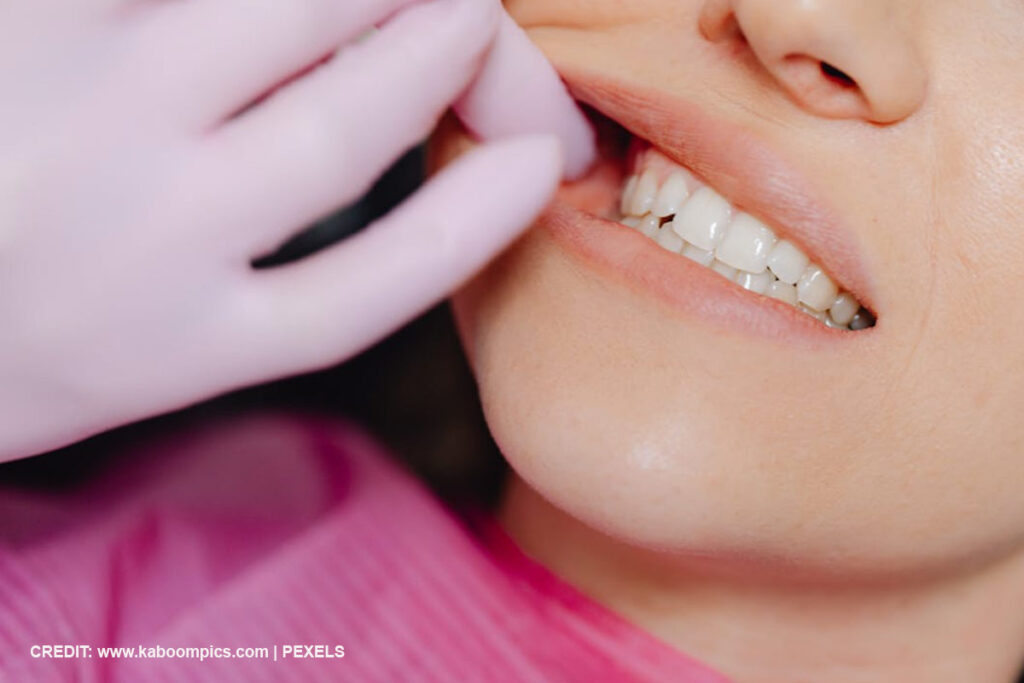
First, your dentist will take X-rays to visualize the shape of the root canals and determine the full extent of the infection in the surrounding bone. Once confirmed, they will administer a powerful local anesthetic to completely numb the tooth and the surrounding gums. You will feel a small pinch, and then nothing but pressure. The excruciating nerve pain is usually blocked within minutes.
2. Isolation
A small protective sheet called a dental dam is placed over the area. This keeps the tooth completely dry and free of saliva (which contains bacteria) during the procedure. It also protects your airway from any materials used during the treatment.
3. Access and Removal
The dentist creates a tiny opening in the crown of the tooth to access the infected pulp chamber. Using precision microscopic instruments, they carefully remove the inflamed or dead pulp, nerve tissue, and bacteria. This is the exact moment the source of your pain is physically removed from your body.
4. Cleaning and Shaping
Once the infected tissue is gone, the hollow canals inside the roots are thoroughly cleaned, disinfected with specialized antibacterial solutions, and shaped to prepare them for a filling.
5. Sealing the Canals
The empty canals are then filled with a biocompatible material called gutta-percha. This material has a rubbery consistency and is cemented into place to completely seal the root canals, ensuring that new bacteria cannot enter and cause a secondary infection.
6. Final Restoration
Because a tooth that has undergone this procedure is often structurally weakened from the prior decay and the access hole, it needs to be protected. A temporary filling is placed to close the opening. In most cases, you will return a few weeks later to have a permanent, custom-made crown placed over the tooth, restoring it to its full strength, function, and appearance.
The Immediate Aftermath of a Root Canal
When the local anesthetic wears off a few hours after your appointment, you will likely notice a profound difference. The sharp, shooting, agonizing pain that drove you to the dentist in the first place will be gone. The nerve that was screaming in agony has been removed.
It is entirely normal to experience some mild tenderness or soreness in the jaw for a few days, mostly from keeping your mouth open during the procedure or from minor inflammation in the tissues surrounding the tooth root.
However, this post-operative soreness is mild, easily managed with over-the-counter pain relievers like ibuprofen or acetaminophen, and pales in comparison to the agony of an infected dental pulp.
Recognizing the Warning Signs Telling You That You Need a Root Canal
If you ignore an infected tooth, the pain might temporarily disappear if the nerve completely dies. But do not be fooled—the infection is still there, quietly spreading into your jawbone, potentially causing painful abscesses, swelling, and systemic health issues.
How do you know when it is time to seek professional help? Look out for these critical warning signs:
- Severe, persistent pain: A throbbing ache that worsens when you lie down or chew.
- Prolonged sensitivity: Pain from hot or cold foods that lingers long after the temperature stimulus is removed.
- Swollen, tender gums: The gums around the affected tooth may become red, inflamed, or noticeably swollen.
- Tooth discoloration: The tooth may begin to take on a grayish or dark appearance as the pulp inside dies.
- A recurring bump on the gums: Often resembling a pimple, this is a fistula draining pus from an abscessed tooth.
If you are experiencing any of these symptoms, it is vital to contact a highly qualified professional, like our Brampton dentist, immediately. Time is of the essence when trying to save a natural tooth.
Root Canal Vs. Extraction: Why Saving Your Tooth Matters
You might wonder, “If the tooth is infected, why not just pull it out?” While extraction is always an option, it is generally considered a last resort in modern dentistry.
Here is why saving your natural tooth is almost always the superior choice:
- Bone health: The roots of your natural teeth stimulate your jawbone. When a tooth is removed, the bone in that area begins to resorb (shrink), which can alter your facial structure over time.
- Teeth shifting: An empty space in your mouth causes adjacent teeth to slowly drift out of alignment, leading to bite issues, jaw pain, and difficulties with chewing.
- Cost and time: While extracting a tooth might seem cheaper upfront, replacing that tooth with an implant or a bridge to prevent shifting and bone loss is a significantly more expensive, invasive, and time-consuming process.
A root canal allows you to maintain your natural smile, continue eating the foods you love without hesitation, and protect the structural integrity of your jaw.

Taking the Next Step for Your Oral Health
It is time to leave the fear of root canals in the past where it belongs. Modern endodontic therapy is a highly sophisticated, virtually painless procedure designed specifically to relieve suffering and save your natural smile.
If you are dealing with a toothache, do not let outdated myths keep you from getting the immediate relief you deserve. The longer you wait, the worse the infection can become.
If you are experiencing dental pain or have been told you might need endodontic treatment, don’t suffer in silence.
Contact the experts at Springdale Dental Centre at (905) 458-1212 to schedule an evaluation and get back to living a pain-free life.