
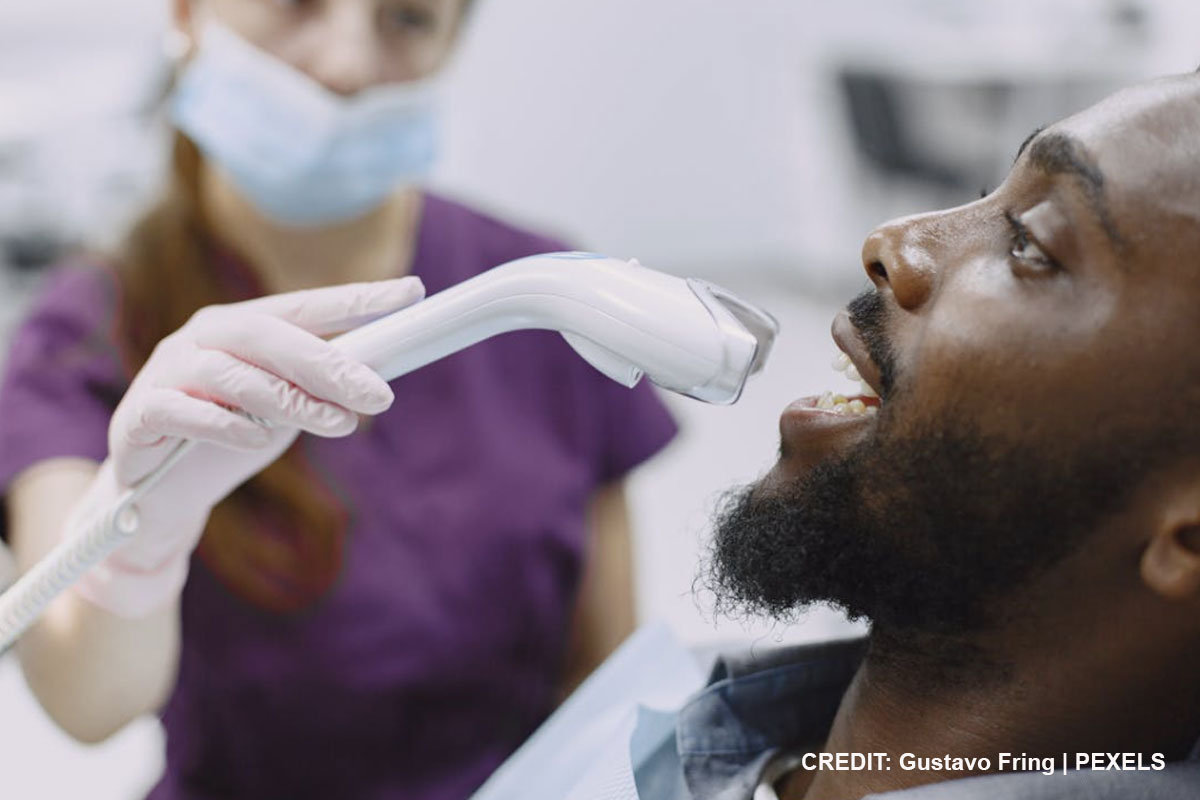
From boil-and-bite mouthguards to mail-order tooth-straightening kits, it has never been easier to bypass the dental chair and try to fix the problem from the comfort of your own bathroom sink.
But while the DIY approach might be perfectly fine for unclogging a drain or painting a bedroom, applying that same philosophy to your oral health is a massive gamble. Dentistry is a highly precise medical science. Your teeth, gums, and jawbone make up a complex, interconnected system, and attempting to self-diagnose and self-treat can lead to irreversible damage. What starts as a simple attempt to save a few dollars or skip an appointment frequently results in severe pain, complex complications, and dental bills that far exceed the cost of the original problem.
Here are five common over-the-counter dental fixes that you should always leave in the capable hands of a family dentist, and the underlying reasons why the DIY route is so inherently risky.
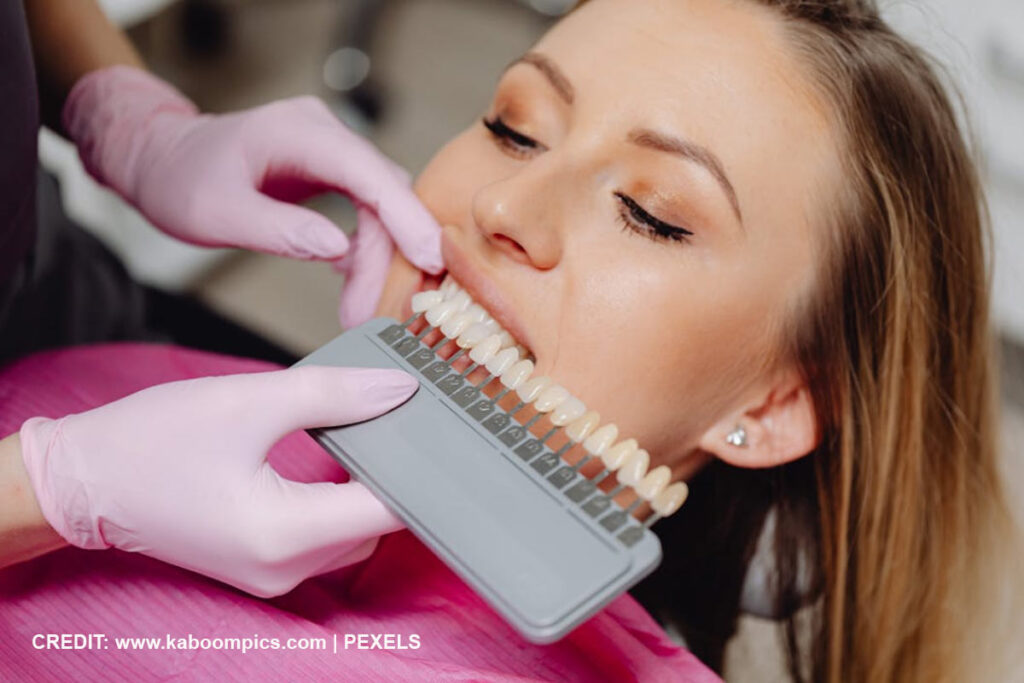
1. The Trap of DIY Teeth Whitening Kits
Teeth whitening is arguably the most popular cosmetic dental procedure in the world, so it is no surprise that the market is absolutely flooded with at-home solutions. Walk into any drugstore and you will find whitening strips, one-size-fits-all trays with LED lights, bleaching pens, and abrasive charcoal powders.
The primary issue with these over-the-counter kits is the lack of customization and professional oversight. Drugstore whitening strips and generic trays do not conform perfectly to the unique anatomy of your teeth. This poor fit allows the bleaching agent—usually hydrogen peroxide or carbamide peroxide—to leak out and sit directly on your delicate gum tissue. Over the course of a few days, this can cause severe chemical burns, tissue sloughing, and extreme tooth sensitivity.
Furthermore, many trendy online whitening products rely on highly abrasive ingredients. Activated charcoal, for example, might scrub away surface stains, but it acts like microscopic sandpaper. With repeated use, it physically strips away your protective tooth enamel. Once enamel is gone, it never grows back, leaving the darker dentin layer underneath exposed (which ironically makes your teeth look more yellow) and highly sensitive to hot and cold. For those seeking reliable, brilliant, and safe results without the risk of permanent damage, choosing professional teeth whitening for Brampton residents ensures that your enamel is protected while achieving the exact shade you desire.
2. Over-the-Counter Dental Cement and “Lost Filling” Kits
Losing a filling or a dental crown is an alarming experience. The exposed inner layers of the tooth can be incredibly sensitive to air and temperature, making eating and drinking very uncomfortable. To bridge the gap, pharmacies sell small vials of temporary dental cement designed to plug the hole until you can see a professional.
When used strictly as a temporary measure for a day or two, these products can be helpful. The danger arises when people use them as a permanent solution. Over-the-counter dental cement does not create a hermetic seal. When you push the putty into a cavity at home, you are almost certainly trapping millions of microscopic bacteria inside the tooth along with it.
Because the tooth feels better and is no longer sensitive to cold air, it is easy to forget about the problem. However, beneath that DIY patch, the trapped bacteria will continue to multiply and eat away at the tooth structure. By the time the pain returns, the decay has usually reached the inner pulp chamber of the tooth. What could have been fixed with a routine, inexpensive filling replacement has now evolved into a massive infection requiring a complex root canal procedure or even a complete tooth extraction.
3. Direct-to-Consumer Clear Aligners
Over the last decade, mail-order orthodontics have surged in popularity. These companies send you a putty kit to take your own dental impressions at home, and then mail you a series of clear plastic aligners designed to straighten your teeth without you ever having to step foot inside a dental clinic.
Orthodontics is about much more than just making the front teeth look straight; it is about the entire foundation of your mouth. Moving teeth is a biological process that involves breaking down and rebuilding the jawbone. When a professional dentist or orthodontist moves your teeth, they rely on comprehensive X-rays and thorough in-person examinations to ensure your bone levels are healthy enough to support the movement.
If you attempt to move your teeth with mail-order aligners while having undiagnosed underlying issues—such as mild periodontal disease or bone loss—the rapid movement can literally cause your teeth to become loose and fall out. Additionally, DIY aligners frequently fail to account for the way your upper and lower teeth meet (your occlusion). You might end up with a straighter smile but a completely misaligned bite, leading to chronic jaw pain, difficulty chewing, and the premature wearing down of your tooth enamel.
4. Plaque and Tartar Scraping Tools
Dental hygiene tool kits, complete with sharp metal picks and scalers, are widely available online. For people obsessed with a clean feeling, the temptation to scrape away visible tartar buildup between dental visits is strong.
Dental hygienists undergo years of rigorous clinical training to learn exactly how to angle these incredibly sharp instruments and exactly how much pressure to apply. Plaque that has hardened into tartar (calculus) bonds extremely tightly to the tooth structure. If you try to forcefully scrape it off yourself, a single slip of the wrist can result in deeply lacerated gum tissue.
Even worse, untrained scraping can cause hidden, long-term damage. If the angle is wrong, you can inadvertently gouge and scratch the surface of your tooth enamel, creating microscopic grooves that act as perfect hiding places for future bacteria to thrive. You also run the risk of pushing tartar and bacteria deeper into the periodontal pocket below the gum line, which can trigger a severe, localized gum infection or a painful dental abscess.
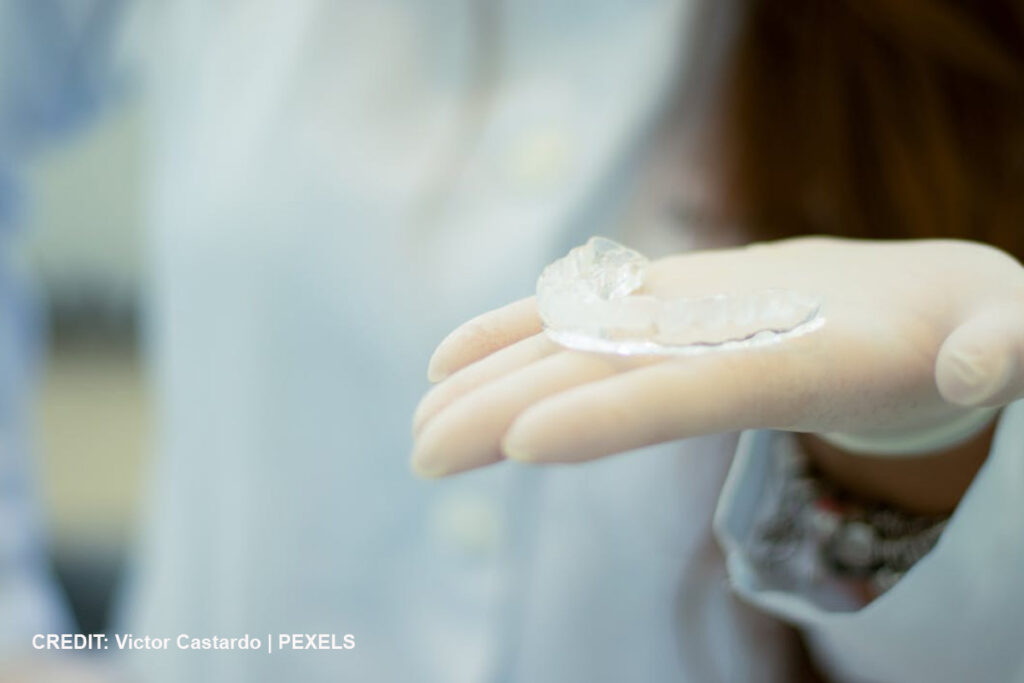
5. Drugstore “Boil-and-Bite” Night Guards
Bruxism, the medical term for grinding and clenching your teeth during sleep, is incredibly common, especially during periods of high stress. It can lead to flattened teeth, cracked enamel, and debilitating morning headaches. To combat this, many people turn to inexpensive “boil-and-bite” night guards found in the oral care aisle.
While these soft plastic guards might prevent your upper and lower teeth from physically scraping against each other, they often make the underlying muscular problem much worse. Because drugstore guards are made of a thick, squishy material, they trigger a natural chewing reflex while you sleep. Instead of relaxing your jaw, you end up treating the soft night guard like a chew toy all night long.
This constant muscle activation overworks the masseter muscles, often leading to severe temporomandibular joint (TMJ) disorders. Furthermore, because these guards are bulky and do not fit the precise grooves of your teeth, wearing them night after night can actually cause your teeth to shift out of alignment over time. A professional night guard fabricated by a dentist is made of hard, slim acrylic custom-fitted to your exact bite, protecting your teeth while simultaneously allowing your jaw muscles to properly disengage and rest.
The Value of Professional Oversight
At the end of the day, your oral health is directly tied to your overall systemic health. Attempting to shortcut the system with over-the-counter fixes is simply not worth the immense risk to your teeth, gums, and wallet.
If you are dealing with a dental issue and want to ensure it is handled safely and professionally, reach out to the experts. Book your appointment today with Springdale Dental Centre, 905-458-1212, conveniently located at the North/East corner of Dixie and Peter Robertson Blvd., in the Tim Hortons plaza.