
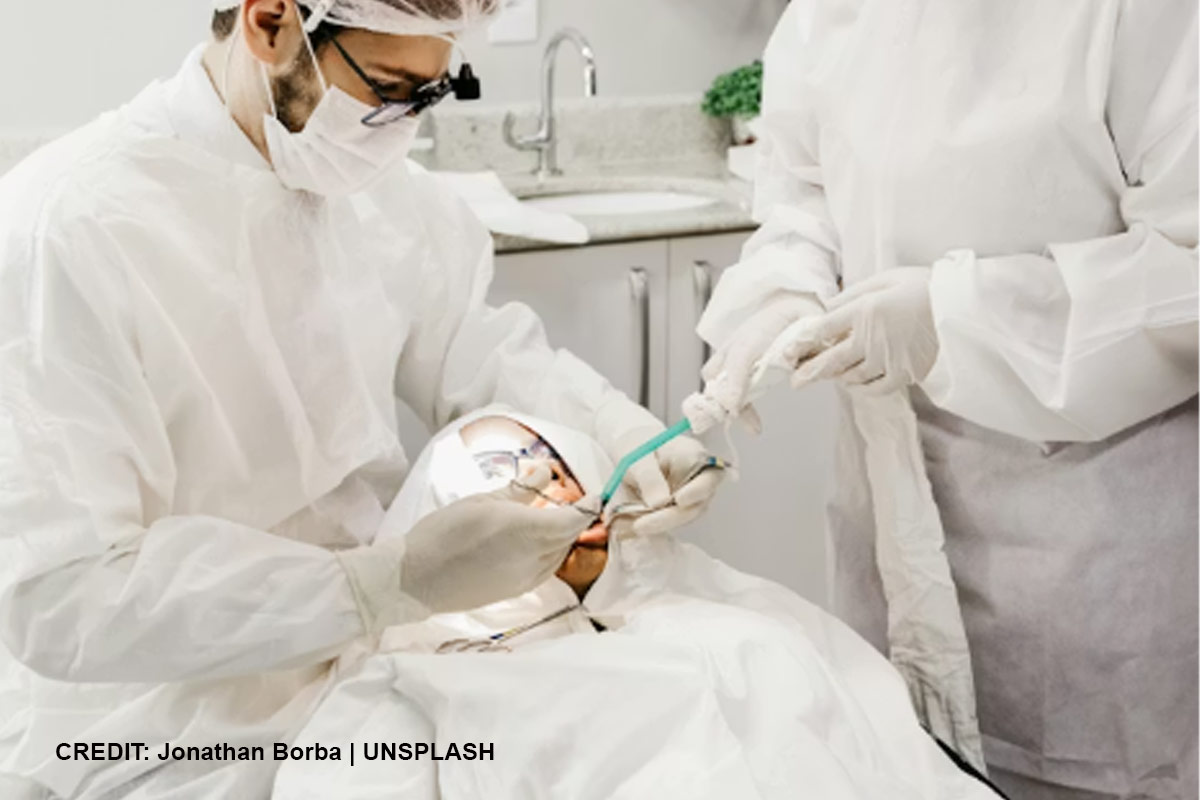
Maybe it’s a sudden crunch on a popcorn kernel, a mishap during a hockey game, or a dull throb that rapidly escalates into a sharp jolt, whatever it is that triggered your oral pain, dental emergencies rarely announce their arrival. When they happen, perhaps the most common reaction is panic; while the emergency can be intimidating, it is crucial to keep a cool head to minimize pain and difficulty for yourself. The difference between saving a tooth and losing it often comes down to what you do within the first thirty minutes after an incident. While a speedy visit to an emergency dentist is always the ultimate solution, your initial response acts as a vital bridge to treatment and makes it more likely your tooth can be saved.
Up to 35% of Canadians report they skip or reduce dentist visits, and that is a far from ideal situation. Anything you can do to look after your oral health is a must, not just for keeping your teeth healthy, but also minimizing the risk of accident and injury altogether. But in case the worst does happen, this guide provides a comprehensive, immediate action plan to help you manage common oral crises. By staying calm and following these six steps, you can minimize damage, alleviate pain, and ensure an optimal outcome for your smile.
1. The Knocked-Out Tooth (Avulsion)
Perhaps the most frightening of all dental emergencies is having a permanent tooth completely knocked out. Time is the critical factor here; aside from finding quick relief from the pain, quick action also gives you a chance to save your tooth. If you act quickly, re-implantation is an often successful process.
Locate the tooth immediately.
Pick it up by the crown (the chewing surface), never by the root. Touching the root can damage the delicate cells required for bone re-attachment.
Rinse gently.
In case the tooth has gotten dirty, rinse it briefly with milk or saline solution. Avoid using water as much as possible, and be sure not to scrub or dry the tooth.
Re-insert if possible.
Try to place the tooth back into the socket. Use a piece of gauze or a wet tea bag and bite down on it gently to hold it in place as you proceed to the dentist.
Keep it moist.
If you cannot re-insert the tooth, it must stay moist. Place it in a container of milk or hold it inside the mouth next to the cheek. Saliva is a better preservative than plain water, which can cause cells to swell and burst.
Go to the dentist.
Time is of the essence. You generally have a small window of opportunity (ideally within 60 minutes) to see a professional and get your tooth reinserted.
2. Managing a Cracked or Chipped Tooth
A chipped tooth might seem cosmetic, but a deep crack can (in addition to causing pain) expose the inner pulp to bacteria, leading to infection.
Rinse your mouth.
Use roughly 250 ml of warm water to clean the area and wash away any broken fragments.
Save the pieces.
If you can find the broken piece of enamel, bring it with you to the dentist as they may be able to reattach it.
Control swelling.
If the trauma was caused by an impact, apply a cold compress to the outside of the cheek. Use ice wrapped in a towel for 10 to 15 minutes at a time to reduce swelling and numb the area.
3. Dealing with Severe Toothaches
A toothache is your body’s way of signaling that something is wrong, usually due to decay or infection. Like other dental emergencies, it is vital you visit the dentist immediately to deal with the pain, and address the underlying issue causing the toothache in the first place. Swift action can be the trick to avoiding more complex treatments like root canals, and save you discomfort and time dealing with an issue later.
Clean the area.
Thoroughly rinse your mouth with warm water to wash away any residue.
Floss carefully.
Gently floss on either side of the aching tooth. Often, a piece of food lodged between teeth can simulate acute pain.
Manage pain correctly.
You may take over-the-counter pain relievers, but take care not to apply aspirin or any painkiller directly against the gums near the aching tooth. This can cause a chemical burn to the gum tissue, adding a new layer of pain to the problem.
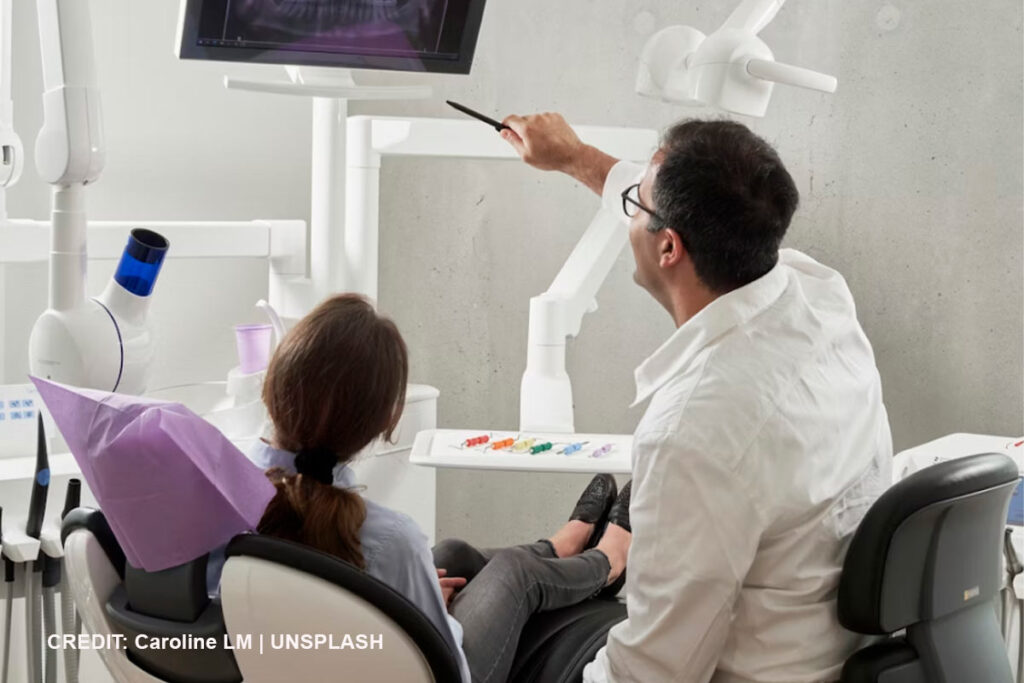
Dealing-with-Severe-Toothaches
4. Handling a Lost Filling or Crown
When a restoration falls out, the underlying tooth tissue becomes sensitive to temperature and pressure.
Protect the void.
If a crown falls out of place, take it immediately and keep it safe. If possible, try to replace it over the tooth using a dab of over-the-counter dental cement as a temporary adhesive. If you do not have dental cement, you can use toothpaste as an alternative to hold the tooth in place until your dental visit.
Seal the area.
If a filling is lost, you can temporarily seal the cavity with a piece of sugar-free gum. Avoid gum with sugar, as this will cause immediate pain upon contact with the exposed nerves.
Avoid chewing.
Refrain from chewing on that side of the mouth until you receive professional repair.
5. Soft Tissue Injuries
Getting injured in soft tissues (such as the tongue, cheek, gums, or lips) can result in significant bleeding due to the high volume of blood vessels in the mouth.
Cleanse the wound.
Rinse with a mild salt-water solution (5 ml of salt in 250 ml of warm water). The saline solution helps disinfect your mouth and rinses away any residue that might contribute to the discomfort.
Apply pressure.
Use a moistened piece of gauze or a tea bag to apply direct pressure to the bleeding site for 15 to 20 minutes.
Use cold therapy.
Apply a cold compress to the outside of the mouth or cheek to control bruising and swelling. If bleeding does not stop after 20 minutes of continuous pressure, visit an emergency room.
6. Recognizing Abscesses
An abscess is a pocket of pus caused by a bacterial infection. It is a serious condition that can spread to other parts of the body if left untreated.
Identify the signs.
Look for a pimple-like swelling on the gum, severe pain, and potentially a fever.
Rinse often.
Draw the pus toward the surface and ease pain by rinsing with mild salt water several times a day.
Seek urgent care.
An abscess is not something to treat at home. It requires professional drainage and antibiotics.
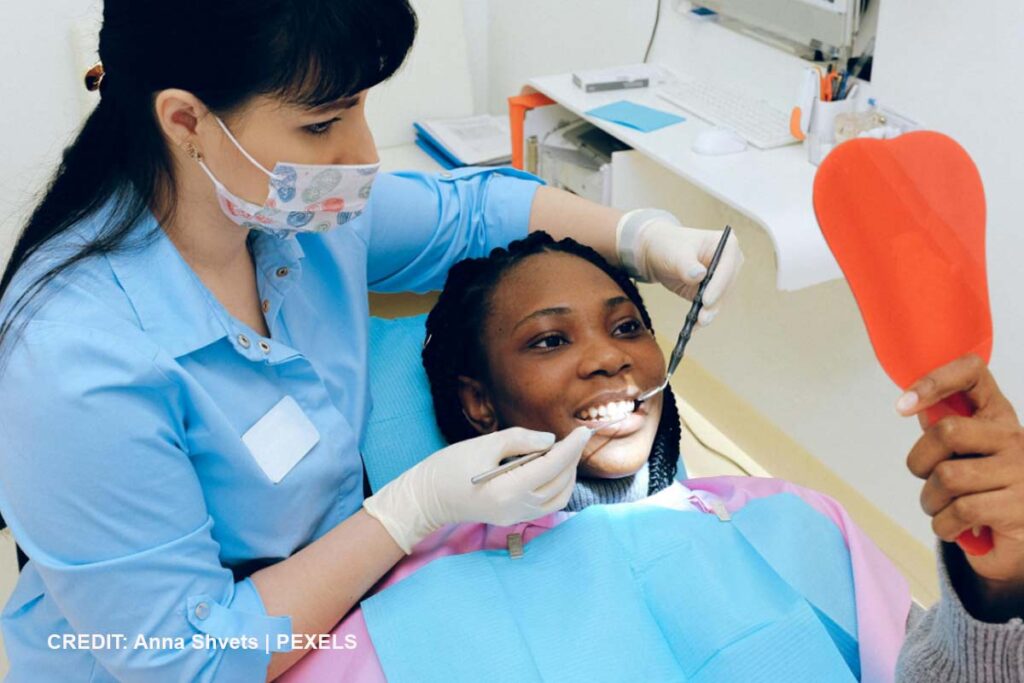
Preparedness is Your Best Defence
While you cannot predict a dental emergency, you can prepare for one. Consider adding a small dental kit to your home first aid supplies, containing sterile gauze, a small container for a tooth, and dental cement. Good oral health is more than just a perfect smile, as Dr. Brandon Doucet (founder of the Coalition for Dentalcare and author of About Canada: Dental Care, published by Fernwood) puts it. As such, it requires total care to look after every part of your mouth, from your teeth to your gums. These steps are there to help you look after your health, especially if an emergency strikes at an unexpected time. However, keep in mind that these steps are interim measures. The most important action in any dental emergency is to contact your dentist immediately and prepare for a visit to address your issues.
When it comes to visiting the dentist, it helps to find a clinic that provides compassionate care and personalized service. At Springdale Dental Centre, it is our mission to give you that level of care, to make sure you get personalized treatment that addresses your issues and provides a calm, comforting environment while we care for your teeth. Give us a call now at 905-458-1212 and give your teeth the TLC they deserve.