
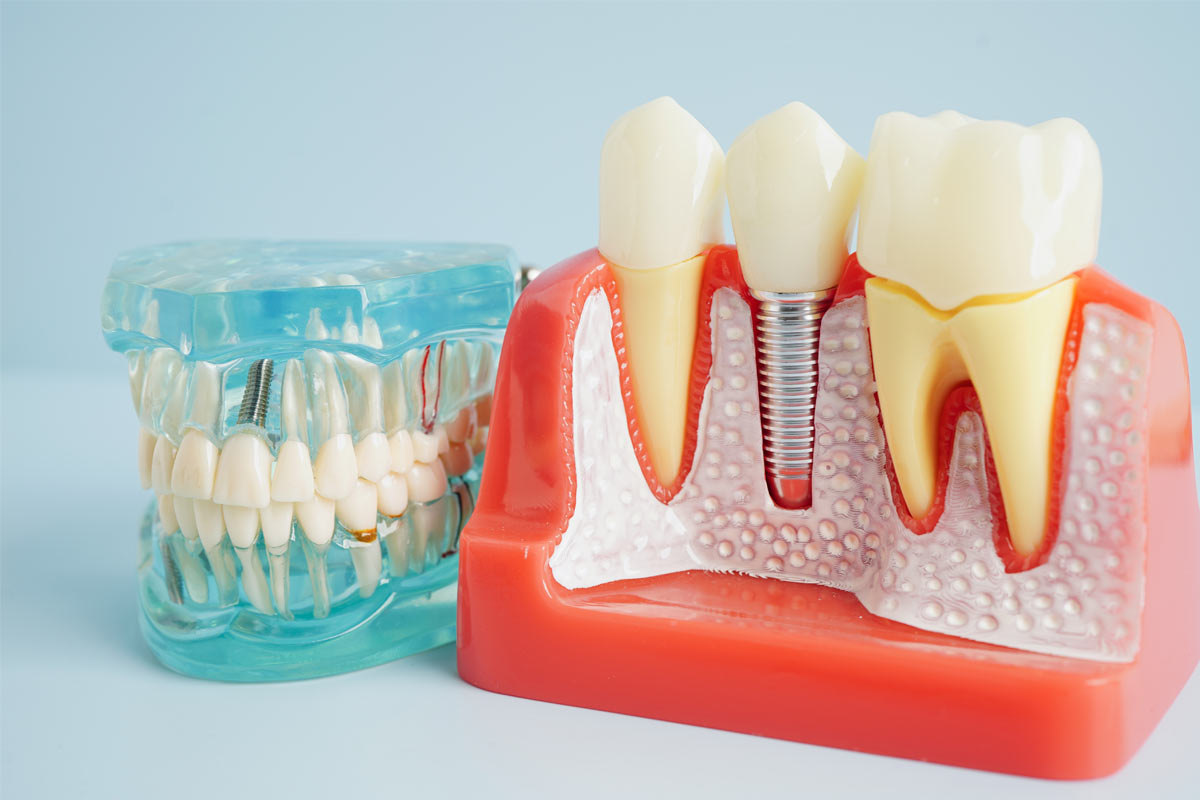
Dental implants provide a lasting replacement for missing teeth, mimicking natural function. To stay strong and healthy, they need consistent care. Simple lifestyle adjustments can keep them secure and problem-free for years.
Why Proper Care Matters for Dental Implants
Dental implants are a long-term investment in your oral health, but they require proper care to stay in good condition. Without regular maintenance, they can develop infections or become loose over time. Poor hygiene, unhealthy habits, and underlying health issues can increase the risk of implant failure. Understanding why care matters can help you protect your implants and ensure they last for many years.
How Dental Implants Work
Dental implants replace missing teeth by acting as artificial roots that fuse with the jawbone. This process provides a strong foundation for dental restorations, but proper care is essential to maintain their stability.
- Made from Biocompatible Titanium
Dental implants are crafted from titanium, a metal that is safe for the human body. This material allows the implant to integrate with the bone without being rejected or causing allergic reactions.
- Surgically Placed into the Jawbone
The implant is inserted into the jawbone through a minor surgical procedure. This placement ensures that the implant remains stable and can support artificial teeth effectively.
- Fuse With the Bone Through Osseointegration
Over several months, the implant bonds with the surrounding bone in a process called osseointegration. This fusion provides a strong foundation that mimics the function of a natural tooth root.
- Support Crowns, Bridges, or Dentures
Once fully integrated, the implant serves as an anchor for dental restorations like crowns, bridges, or dentures. This allows for a secure and natural-looking replacement for missing teeth.
- Require Regular Cleaning and Maintenance
Like natural teeth, implants need daily brushing, flossing, and professional cleanings. Proper care helps prevent infections and ensures the longevity of the implant.
Common Causes of Implant Failure
Dental implants are designed to be long-lasting, but certain factors can lead to failure. Poor oral hygiene, excessive pressure, and underlying health issues can weaken the implant’s stability over time.
- Peri-implantitis (Gum Infection)
Peri-implantitis is an infection that affects the gum and bone surrounding the implant. If left untreated, it can lead to bone loss and implant failure.
- Poor Oral Hygiene
Neglecting to brush and floss daily leads to plaque and bacteria buildup around the implant. Over time, this can irritate the gums and cause infection. As the infection worsens, it may weaken the bone that supports the implant.
- Teeth Grinding (Bruxism)
Grinding or clenching your teeth puts excessive pressure on implants, which can cause fractures or loosening. Many people grind their teeth unknowingly, especially while sleeping.
- Chewing Hard or Sticky Foods
Hard foods like ice and nuts can crack the crown, while sticky foods can pull on the implant. Over time, this stress can weaken the implant’s foundation.
- Uncontrolled Health Conditions
Conditions like diabetes and osteoporosis can slow healing and affect bone density. Poorly managed health issues may lead to complications that impact implant stability.
- Smoking and Tobacco Use
Smoking reduces blood flow to the gums, making it harder for the implant to heal and integrate with the jawbone. Tobacco use also increases the risk of infections around the implant.
Simple Lifestyle Habits to Extend the Life of Your Dental Implants

A well-maintained dental implant can last for years, but proper care is essential. Good daily habits and overall health keep implants secure and functional. By making smart choices, you can prevent complications and ensure long-term success.
- Maintain Excellent Oral Hygiene
Good oral hygiene prevents plaque buildup and reduces the risk of infection. Brush your teeth at least twice a day using a soft-bristled toothbrush and non-abrasive toothpaste. Floss daily with implant-safe floss or a water flosser to clean hard-to-reach areas. Using an antibacterial mouthwash can also help keep your gums healthy.
- Quit Smoking and Tobacco Use
Smoking weakens the healing process and raises the risk of implant failure. Reduced blood flow to the gums makes it difficult for the implant to bond with the jawbone. Research indicates that smokers are more likely to experience infections around their implants. Giving up smoking strengthens oral health and supports long-term implant success.
- Eat a Balanced Diet for Strong Bones and Gums
A diet rich in vitamins and minerals supports gum health and bone strength. Calcium and vitamin D help keep your jawbone strong, which is essential for implant stability. Leafy greens, dairy products, and fish are excellent sources of these nutrients. Avoid sugary and acidic foods, as they can contribute to gum disease and weaken the bone.
- Reduce Alcohol Consumption
Excessive alcohol consumption can dry out your mouth and increase the risk of infection. It can also slow down healing after implant surgery and weaken bone density over time. If you drink alcohol, do so in moderation and stay hydrated to protect your oral health. Limiting alcohol intake can help maintain a healthy environment for your implants.
- Protect Your Implants from Teeth Grinding (Bruxism)
Grinding your teeth puts excessive pressure on dental implants. Over time, this can lead to fractures or implant loosening. Many people grind their teeth at night without realizing it. Wearing a custom night guard can prevent damage and extend the lifespan of your implants.
- Visit Your Dentist for Regular Checkups
Routine dental visits help detect early signs of problems with your implants. Your dentist can check for gum infections, bone loss, or implant instability. Professional cleanings remove plaque and tartar that brushing alone cannot eliminate. Regular checkups ensure that any issues are addressed before they become serious.
- Stay Hydrated for Better Oral Health
Drinking enough water helps keep your mouth clean and prevents dry mouth. Saliva plays a crucial role in washing away bacteria and maintaining healthy gums. A dry mouth increases the risk of infections that can harm dental implants. Staying hydrated supports overall oral health and implant longevity.
- Avoid Chewing Hard or Sticky Foods
Hard foods can crack the crown of your dental implant, while sticky foods can pull on it. Avoid chewing on ice, hard candies, or tough meats to prevent damage. Sticky foods like caramel and taffy can also weaken the implant over time. Choosing softer foods can reduce unnecessary stress on your implants.
- Manage Overall Health Conditions
Certain medical conditions, such as diabetes and osteoporosis, can affect implant success. Uncontrolled diabetes slows healing and increases the risk of gum infections. Osteoporosis weakens bones, which may compromise implant stability. Managing these conditions with medication, diet, and regular exercise can help protect your implants.
Additional Tips for Long-Term Implant Success

Keeping dental implants in good condition requires more than just regular brushing and flossing. Certain habits and routines can help maintain their strength and prevent complications. Taking extra steps to care for your implants ensures they remain functional and comfortable for years.
- Use the Right Dental Products
Not all dental products are safe for implants. Soft-bristled toothbrushes and low-abrasion toothpaste help protect implant surfaces. Interdental brushes and water flossers can remove plaque without damaging the gums. Choosing the right tools ensures proper care for your implants.
- Maintain Healthy Gums
Healthy gums are essential for implant support. If your gums become infected, the bone around the implant may deteriorate. Signs of gum disease include redness, swelling, and bleeding. Practicing good oral hygiene and visiting your dentist regularly can help prevent gum problems.
- Be Mindful of Changes in Your Mouth
If you notice pain, swelling, or a loose implant, contact your dentist immediately. Early treatment can prevent more serious complications. Ignoring minor symptoms can lead to bone loss or implant failure. Paying attention to changes in your mouth helps protect your investment in dental implants.
- Stay Hydrated
Drinking enough water helps keep your mouth clean and supports overall oral health. Water washes away food particles and bacteria that can cause infections around implants. Staying hydrated also prevents dry mouth, which can increase the risk of gum disease. A well-hydrated mouth creates a healthier environment for your implants to last longer.
- Manage Stress Levels
High stress can lead to teeth grinding, which puts excessive pressure on implants. Over time, grinding can weaken the implant structure and damage the surrounding bone. Relaxation techniques like deep breathing, meditation, or using a mouthguard at night can help reduce this risk. Keeping stress under control helps protect both your implants and your overall oral health.
Protect Your Dental Implants with Care at Springdale Dental Centre
Keep your dental implants strong and healthy by following the right care routine. Brushing, flossing, and making smart lifestyle choices can prevent complications and extend the life of your implants. Small changes today can make a big difference in protecting your smile for years to come.
Regular checkups are key to maintaining your dental implants and preventing issues before they start. At Springdale Dental Centre, our team provides professional care to keep your implants in top condition. Call us (905) 458-1212 to book an appointment today and ensure your dental implants in Brampton stay secure and long-lasting!