
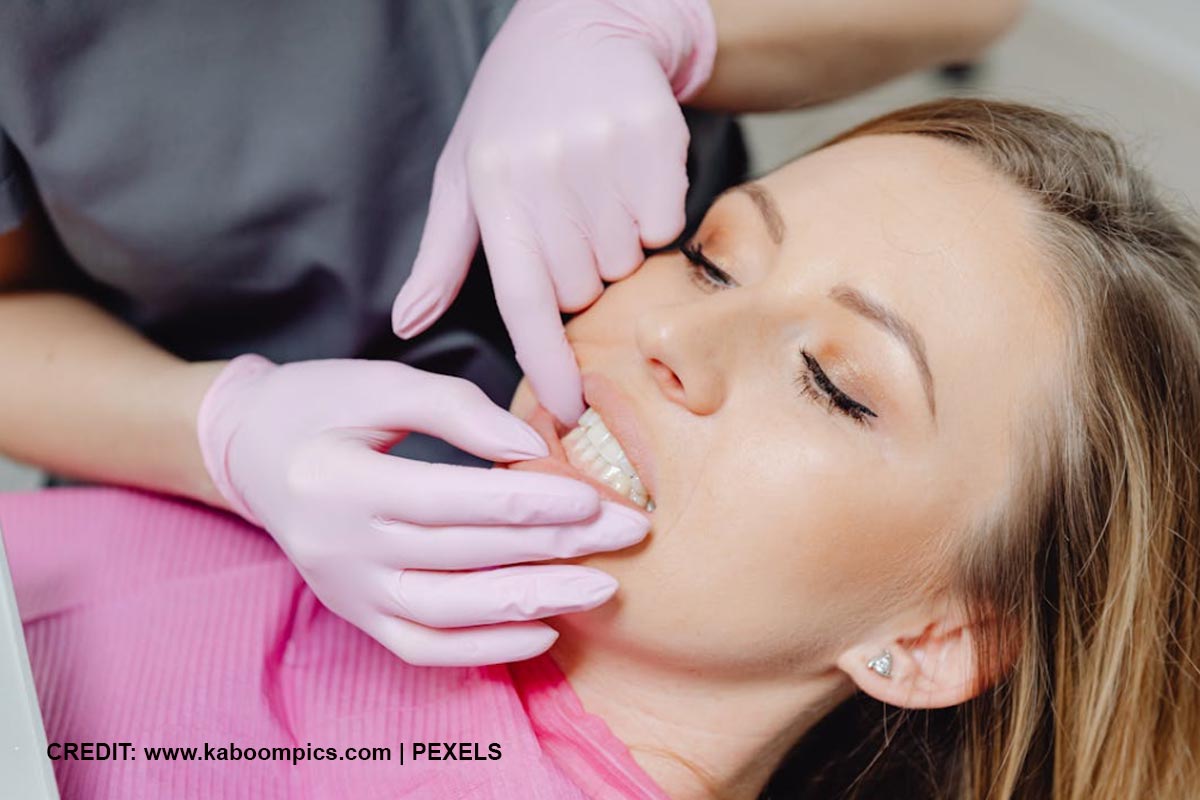
Sometimes when brushing your teeth, you’ll notice a splash of pink when you spit out. Your gums look puffy, and they feel a bit tender. It happens to almost everyone at some point. It is easy to brush it off as a minor annoyance.
But when is a bit of blood totally fine? When is it a massive warning sign that something is wrong? Ignoring signs of distress can lead to major dental disasters down the road.
Here is exactly what you need to know about gum health, common issues, and when you need to drop everything and get professional help.
The “Normal” Reasons Your Gums Are Bleeding
Sometimes, bleeding gums are just a temporary reaction to something minor. You might just need to tweak your daily habits.
Here are the most common everyday reasons you might see a bit of blood:
- You are brushing way too hard. Scrubbing your teeth like you are scrubbing a dirty floor damages delicate tissue. Hard bristles tear up the gums.
- You just started flossing again. Your gums are not used to the friction. They will likely bleed for a few days until they toughen up.
- You are using a new toothbrush. Stiff, new bristles can irritate your mouth. Always buy toothbrushes labelled “soft.”
- You slipped with the dental floss. Snapping the floss down too hard cuts the gum line.
- Hormonal shifts are happening. Pregnancy, menstruation, and puberty cause massive hormonal changes. This increases blood flow to the gums, making them hyper-sensitive and prone to swelling.
- You are stressed out. High stress weakens your immune system. This makes it harder for your body to fight off minor mouth bacteria, leading to quick inflammation.
- Your diet lacks essential vitamins. Being deficient in Vitamin C or Vitamin K directly impacts your body’s healing processes and blood clotting ability.
If your bleeding is tied to one of these minor issues, it should clear up in a few days. Be gentle, keep cleaning, and monitor the situation.
When Bleeding and Swelling Indicate a Disease
If the bleeding doesn’t stop after a week of good oral hygiene, you are likely dealing with an infection.
This likely involves plaque. Plaque is a sticky film of bacteria that constantly forms on your teeth. If you don’t brush and floss it away, it hardens into tartar. Tartar acts like a magnet for more bacteria.
This leads to two main stages of gum disease.
Stage 1: Gingivitis
This is the earliest stage of gum disease. It is very common. The good news is that it is completely reversible.
- Red, puffy gums: Healthy gums are firm and pale pink. Gingivitis turns them angry red.
- Bleeding during brushing: Even gentle brushing causes a reaction.
- Mild tenderness: Your gums feel sore to the touch.
- Bad breath: The bacteria produce foul-smelling gases.
Stage 2: Advanced Gum Disease
If you ignore gingivitis, it gets much worse. The infection moves deeper below the gum line.
It turns into periodontitis. This is a serious, destructive infection.
- Tissue damage: The infection eats away at the soft tissue holding your teeth in place.
- Bone loss: The bacteria actually destroy the jawbone supporting your teeth.
- Deep pockets: Your gums pull away from your teeth. This creates massive pockets that trap even more food and bacteria.
- Tooth mobility: Your teeth become loose. They might shift out of alignment.
- Tooth loss: This is the leading cause of adult tooth loss. Once the bone is gone, the tooth has nothing to hold onto.
Signs You Need an Emergency Dentist
A little bit of pink on your toothbrush is not a reason to panic. Certain symptoms mean you need immediate medical attention.
Do not wait to see if things get better. You need to contact an emergency dentist right away if you experience any of the following:
Unbearable Pain
Healthy gums do not hurt. Mild gingivitis is slightly tender.
- Sharp, throbbing pain: If the pain is keeping you awake at night, you have a major issue.
- Pain when chewing: If biting down sends a shock of pain through your jaw, the infection is deep.
Massive Swelling
A little puffiness is one thing. Severe swelling is dangerous.
- Facial swelling: If your cheek or jaw looks swollen from the outside, the infection has spread beyond your teeth.
- Swollen lymph nodes: Feel under your jaw and neck. Tender lumps mean your body is fighting a massive infection.
Visible Pus
This is a giant red flag.
- Abscesses: A pimple-like bump on your gums is a pocket of pus.
- Oozing: If you press your gums and a white or yellow liquid comes out, you have an active, severe bacterial infection.
Systemic Symptoms
Dental infections do not always stay in your mouth. They can enter your bloodstream.
- High fever: A fever paired with mouth pain is a dental emergency.
- Chills and sweating: Your body is overwhelmed by the infection.
- Difficulty breathing or swallowing: The swelling has reached a critical stage and is restricting your airway. Go to an emergency room immediately if this happens.
Bleeding That Will Not Stop
Normal bleeding stops after a minute or two.
- Continuous bleeding: If you are bleeding heavily and it refuses to clot with applied pressure, you need immediate professional help.
What to Do While Waiting for Your Appointment
If you have secured an emergency appointment, you need to manage the symptoms while you wait.
Do not attempt any aggressive DIY fixes. Keep things simple and safe.
- Rinse with warm salt water. Get a glass of warm water and mix in a teaspoon of regular iodized table salt. Gently swish a mouthful of it for half a minute or so. This helps draw out fluid from the swelling and keeps the area clean.
- Use a cold compress. Wrap an ice pack in a towel. Hold it against the outside of your face for 15 minutes at a time. This numbs the pain and reduces facial swelling.
- Take over-the-counter pain medication. Ibuprofen works well for dental pain because it also reduces inflammation. Do not apply painkillers directly to the gums.
- Keep your head elevated. Prop yourself up with pillows if you need to sleep. Lying flat causes blood to rush to your head, making the throbbing pain worse.
- Avoid certain foods. Skip anything hard, crunchy, very hot, or very cold. Stick to soft, room-temperature foods like yogurt or applesauce.
How to Prevent Gum Problems
The best way to handle a dental emergency is to prevent it from happening in the first place. Keeping your gums in top shape is actually very straightforward.
You just need to be consistent with your routine.
- Brush twice a day for two full minutes. Do not rush. Make sure you are hitting the front, back, and chewing surfaces of every tooth.
- Floss every single night. Brushing only cleans 60% of your tooth. Flossing gets the other 40% where the bristles cannot reach.
- Use a therapeutic mouthwash. Look for an antibacterial rinse. This helps flush out loose debris and kills plaque-causing bacteria.
- Drink a lot of water. Water washes away food particles and keeps your mouth hydrated. A dry mouth is a breeding ground for bacteria.
- Quit smoking. Tobacco use restricts blood flow to your gums. It makes it incredibly difficult for your tissue to heal and fight off infections.
- Eat less sugar. Bacteria feed on sugar to create the acids that destroy your enamel and irritate your gums.
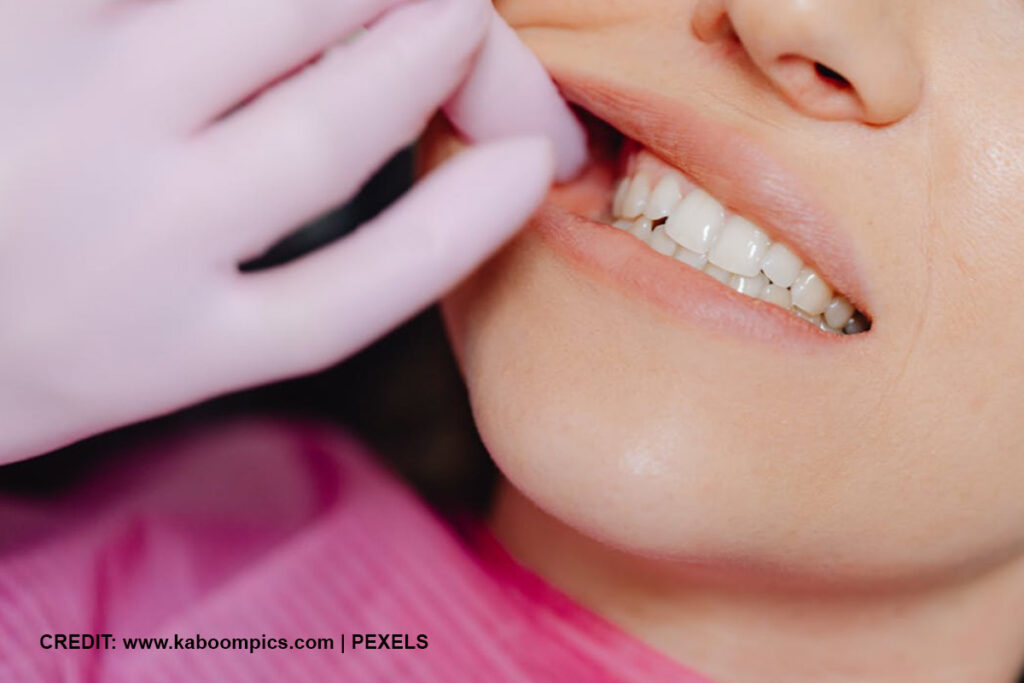
Time to Let the Professionals at Springdale Dental Handle It
You cannot fix severe gum disease or dental infections on your own.
Store-bought mouthwashes will not cure an abscess. Brushing harder will only make deep periodontal pockets worse. You need professional tools and expertise to properly clean below the gum line and stop an infection in its tracks.
If your gums are angry, swollen, bleeding heavily, or causing you pain, you need to act fast. Delaying treatment only leads to more expensive and painful procedures later on. Save your smile and get it checked out by a professional immediately.
Schedule a visit with our Brampton dentist to get your oral health back on track.
Call Springdale Dental Centre at (905) 458-1212 to book your appointment today.