
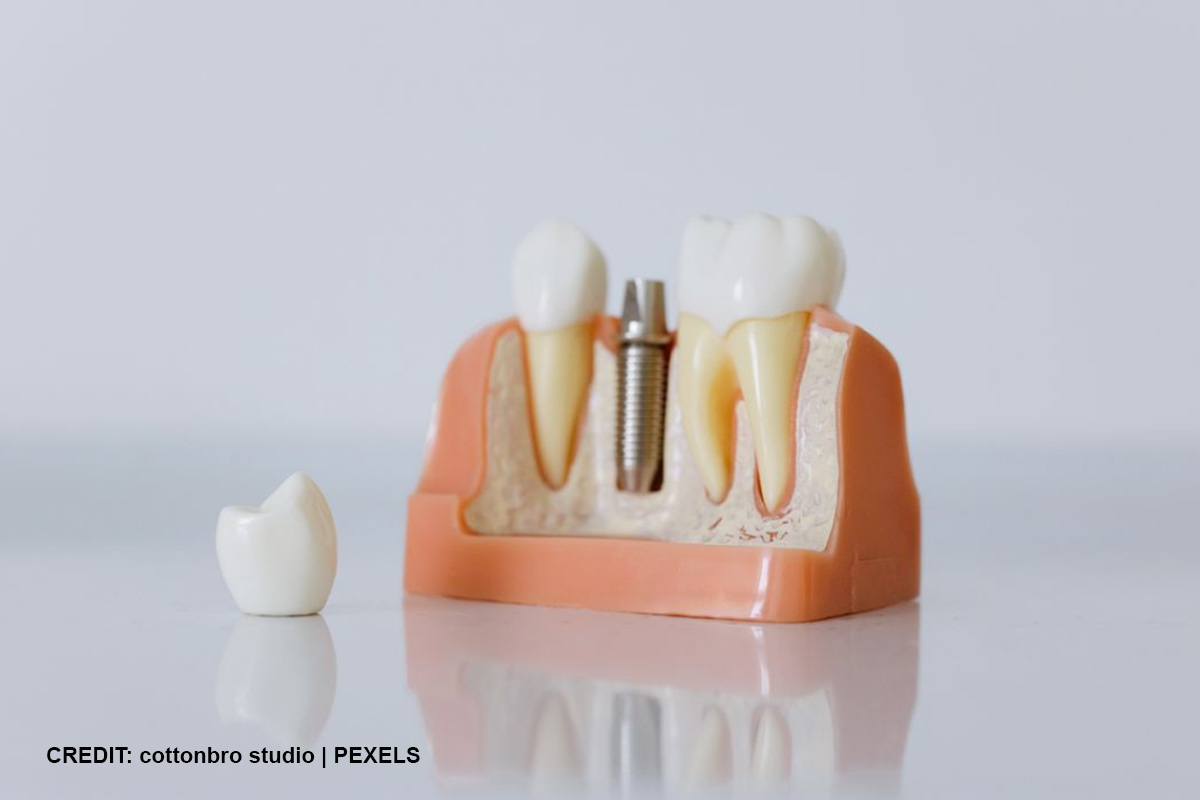
Missing a tooth is about more than just a gap in your smile. It affects how you eat, how you speak, and how you feel about your appearance. Over time, tooth loss can even lead to more serious issues, such as bone loss in the jaw or the shifting of remaining teeth.
If you are looking for a dental clinic in Brampton, you likely know that modern dentistry offers several excellent ways to restore your dental health.
Choosing between dental bridges, dentures, and dental implants is a significant decision. Each option has its own set of advantages, timelines, and cost considerations.
To help you make an informed choice, this guide explores the nuances of these three restorative treatments so you can find the perfect fit for your lifestyle and oral health needs.
What Are Dental Bridges?
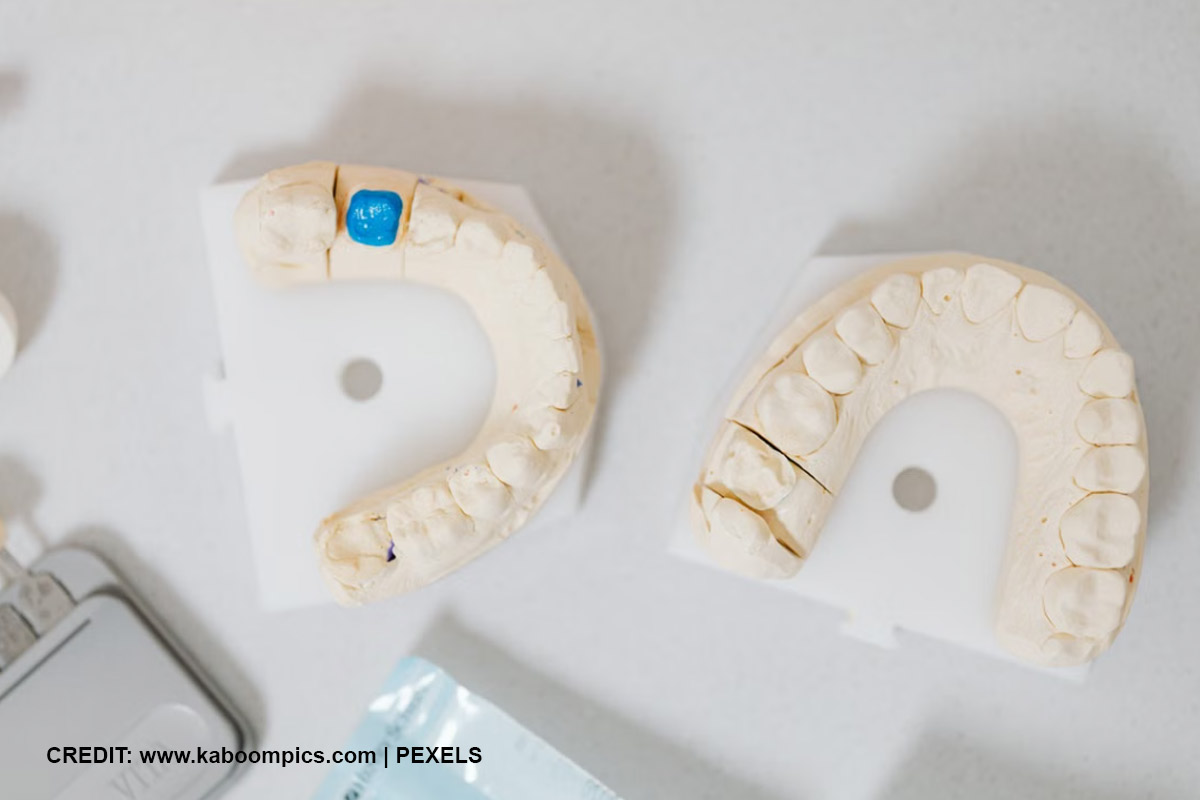
A dental bridge is a popular solution for replacing one or more missing teeth by closing the gap created by missing teeth. A bridge consists of at least two crowns, sometimes more, for the teeth that sit on either side of the gap. They act as anchors. A false tooth or more is inserted in between these anchors, or “abutment teeth.”
Types of Dental Bridges
There are several types of bridges, each designed for specific dental scenarios:
- Traditional bridges: These are the most common. A crown for the tooth or implant on either side of the missing tooth is created with a false tooth (aka a “pontic”) in between.
- Maryland bridges: AKA resin-bonded bridges. These bridges use a framework of metal or porcelain bonded to the backs of the adjacent teeth. This avoids the need to crown the neighbouring teeth.
- Cantilever bridges: These are used when only one side of the missing tooth/teeth have adjacent teeth present. This sort of bridge is less common today and is typically not recommended for the back of the mouth where it can put too much pressure on other teeth.
The Benefits of Bridges
Bridges are popular because they are a relatively quick fix. The process usually takes only two appointments. They are also fixed in place, meaning you don’t have to remove them for cleaning. Because they are custom-made, they blend in seamlessly with your natural teeth, restoring both the look and function of your bite.
Considerations for Bridges
The main drawback of a traditional bridge is that the healthy adjacent teeth must be filed down to accommodate the crowns. This means you are permanently altering healthy tooth structure. Furthermore, bridges do not replace the tooth root, which means they do not prevent the bone loss that naturally occurs when a tooth is missing.
The Role of Modern Dentures
When many people think of dentures, they imagine the bulky, unnatural-looking “false teeth” of the past. However, modern dentures are sophisticated, comfortable, and highly aesthetic. They are removable appliances that can replace all your teeth (complete dentures) or just a few (partial dentures).
Partial vs. Complete Dentures
- Complete dentures: These are used when all teeth are missing in either the upper or lower arch. They rest on the gums and are held in place by suction or a small amount of adhesive.
- Partial dentures: If you still have some natural teeth remaining, a partial denture can fill the gaps. These often use metal or plastic clips that anchor onto your existing teeth to stay secure.
The Benefits of Dentures
Dentures are often the most affordable way to replace a large number of missing teeth. The process is non-invasive, meaning there is no surgery required. For patients who have experienced significant bone loss in their jaw and may not be candidates for implants, dentures provide a reliable way to restore facial structure and chewing ability.
Considerations for Dentures
While dentures have improved significantly, they still require an adjustment period. Some patients find them bulky, and they can occasionally slip while speaking or eating. Because they are removable, they require a specific cleaning routine. Like bridges, dentures do not stimulate the jawbone, so the shape of your jaw may change over time, requiring the dentures to be “relined” or replaced to maintain a good fit.
The Gold Standard: Dental Implants
For those seeking a permanent, lifelike replacement, dental implants are widely considered the gold standard. Unlike bridges or dentures, an implant replaces both the visible tooth and the root beneath the gum line.
An implant consists of a small post made of titanium that is surgically placed into the jawbone. Over a few months, the bone fuses with the titanium in a process called osseointegration. Once healed, a custom-made crown is attached to the post, resulting in a tooth that looks, feels, and functions exactly like a natural one.
The Benefits of Implants
The most significant advantage of implants is their ability to preserve the jawbone. By mimicking a natural tooth root, they provide the stimulation necessary to prevent bone resorption. Other benefits include:
- Longevity: With proper care, implants can last a lifetime.
- Independence: They do not rely on adjacent teeth for support, leaving your natural teeth untouched.
- Stability: There is no risk of slipping, allowing you to eat all your favorite foods with confidence.
- Aesthetics: They provide the most natural look possible.
The Procedure and Recovery
Before committing to this path, it is important to understand what you need to know before getting dental implant surgery. The process is a journey that involves several stages, including a comprehensive exam, the surgical placement of the post, a healing period of several months, and finally, the placement of the crown.
Candidates must have healthy gums and enough bone density to support the implant. In cases where bone loss has occurred, a bone graft may be necessary before the implant can be placed.
Comparing the Costs
Budget is a major factor for most patients. Generally, dentures are the most cost-effective initial investment, followed by bridges. Dental implants have the highest upfront cost.
However, it is important to look at the long-term value. A bridge may need to be replaced every 10 to 15 years, and dentures also require periodic replacement or adjustment.
Because dental implants are designed to last a lifetime, they often prove to be the most economical choice over several decades. Many dental offices offer financing plans to help make the superior health benefits of implants more accessible.
Which Option Is Right for You?
The “right” choice depends on your unique clinical needs and personal preferences. Here are a few questions to help you evaluate your options:
- How many teeth are missing? If you are missing an entire arch, complete dentures or implant-supported dentures might be best. For a single tooth, an implant or bridge is usually preferred.
- What is the health of your remaining teeth? If the teeth adjacent to the gap already need crowns, a bridge might be a logical choice. If they are perfectly healthy, an implant allows you to leave them untouched.
- How is your jawbone density? If you have been missing teeth for a long time and have significant bone loss, you may need a bone graft for implants, or you may find that dentures are a simpler alternative.
- What is your timeline? If you need a replacement quickly for an upcoming event, a bridge or denture can be completed in a few weeks. Implants require several months for the healing process.
The Importance of a Professional Consultation
No matter how much research you do online, nothing replaces a face-to-face evaluation with an experienced dentist. They use digital X-rays and 3D imaging to look at your bone structure, check the health of your gums, and discuss your goals.
During a consultation, your dentist will examine:
- Bite alignment: How your teeth come together affects which restoration will be most durable.
- Gum health: Restorations require a healthy foundation. Any signs of gum disease must be treated before proceeding with bridges or implants.
- Personal lifestyle: Your habits, such as whether you grind your teeth (bruxism) or smoke, can influence the success of these treatments.
Maintaining Your Restored Smile
Once you have chosen your restoration, maintenance is key to ensuring its longevity.
- For bridges: You will need to use special floss threaders to clean underneath the false tooth to prevent decay in the abutment teeth.
- For dentures: Regular soaking and brushing with a non-abrasive cleaner are necessary. You should also continue to visit the dentist to ensure the fit remains healthy for your gums.
- For implants: You treat them just like natural teeth. Regular brushing, daily flossing, and professional cleanings will keep the surrounding gum tissue healthy.
Final Thoughts
Restoring your smile is one of the best investments you can make for your overall health and quality of life. Whether you choose the stability of an implant, the efficiency of a bridge, or the affordability of dentures, the goal is to return your mouth to full function and beauty.
If you are ready to explore these options and see which fit is right for your smile, the team at Springdale Dental Centre is here to help. Our experienced dental professionals provide personalized care tailored to your specific needs, ensuring you feel comfortable and confident throughout your treatment.
Contact Springdale Dental Centre today at (905) 458-1212 to schedule your consultation and take the first step toward a complete, healthy smile.