

The secret to lifelong oral health doesn’t only boil down to how well you brush. There’s also the element of timing. By the time a tooth actually hurts, the underlying issue has often progressed significantly.
At Springdale Dental Centre, our Brampton dentist emphasizes that preventive care is the most effective way to avoid invasive procedures and keep your natural teeth for a lifetime.
If you are wondering whether you can push that checkup off for another few months, look out for these seven signs that your mouth is trying to tell you something.
1. Lingering Sensitivity to Hot and Cold
It is common to feel a brief flash of sensitivity if you bite into an ice cube or sip a steaming cup of coffee. However, when that sensitivity lingers for more than a few seconds, it’s a red flag.
Sensitivity occurs when the protective enamel of your teeth wears thin, or when the gums recede, exposing the “dentin”—the layer of the tooth that contains microscopic tubules leading to the nerve. This can be caused by aggressive brushing, acidic diets, or the early stages of a cavity.
If the sensitivity is sharp and localized, it could indicate a crack in the tooth or a failing filling. Catching these issues early prevents the need for more complex interventions.
2. Gums That Bleed, Swell, or Recede
Your gums are the foundation of your smile. Healthy gums should be firm, pink, and should never bleed during routine brushing or flossing. If you notice “pink in the sink,” it is a primary symptom of gingivitis, the earliest stage of gum disease.
When plaque is allowed to sit along the gumline, the bacteria irritate the soft tissue, causing inflammation. If left untreated, gingivitis can progress to periodontitis, where the gums starts pulling away from the teeth. This ends up creating “pockets” in your gums that can host even more bacteria. This leads to bone loss and, eventually, tooth loss.
A professional checkup allows a dentist to measure these pockets and provide a deep cleaning to reverse the damage before it becomes permanent.
3. Persistent Bad Breath (Halitosis)
Everyone experiences “morning breath,” but if you find that you have a persistent bad taste in your mouth or breath that doesn’t improve after brushing and using mouthwash, it’s time for a professional evaluation.
Chronic bad breath is often a sign of high bacterial loads in the mouth. These bacteria produce sulphur compounds that smell. While it could be a sign of a simple cavity or gum disease, it can also indicate more serious issues like a localized infection or “dry mouth” (xerostomia).
Furthermore, the dentist can help determine if the odour is coming from the mouth or if it might be a symptom of a different issue in your system, such as digestive issues or sinus infections.
4. Constant or Spasmodic Tooth Pain
This is the most obvious sign, yet many people try to “wait it out” with over-the-counter painkillers. Pain is the body’s alarm system. If you feel a dull ache in your jaw, a sharp pain when you bite down, or a throbbing sensation that keeps you up at night, the internal “pulp” of the tooth may be inflamed or infected.
When decay reaches the soft center of the tooth, it can necessitate a root canal. While this procedure has a reputation for being scary, modern technology makes it no more uncomfortable than getting a filling.
However, the danger of neglecting root canal treatment cannot be overstated. An untreated infection in the tooth pulp can lead to a painful dental abscess, facial swelling, and even the spread of infection into the bloodstream or jawbone.
Scheduling a checkup at the first sign of pain can often save the tooth before an extraction becomes the only option.
5. Changes in the Surface of Your Teeth or Tongue
Your semi-annual checkup isn’t just about looking for cavities; it’s an oral health screening. You should schedule a visit if you notice:
- White or dark spots: White spots can be the first sign of dental decay (demineralization), while dark spots may indicate a cavity or staining that needs professional removal.
- Rough patches or lumps: Any sores in the mouth that do not heal within two weeks should be examined by a dentist. This is a crucial part of oral cancer screening.
- Pitting or chipping: Even if a small chip doesn’t hurt, it creates a jagged surface where plaque can easily accumulate, leading to rapid decay.
6. Dry Mouth (Xerostomia)
A healthy mouth produces a constant flow of saliva. Saliva is your mouth’s natural defence mechanism. It neutralizes acids produced by bacteria and washes away food particles. If your mouth constantly feels like sandpaper, it’s a serious concern.
Dry mouth can be a side effect of various medications, aging, or underlying health conditions. Without enough saliva, the risk of rapid tooth decay and gum disease skyrockets.
A dentist can recommend specialized treatments, such as fluoride gels or artificial saliva substitutes, to protect your teeth from the lack of natural moisture.

7. It Has Been More Than Six Months
Even if you feel absolutely no pain and your teeth look pearly white in the mirror, the “six-month rule” exists for a reason. Plaque eventually hardens into tartar (calculus), which cannot be removed by a toothbrush or floss at home. Only a dental hygienist using specialized tools can remove this buildup.
During these routine visits, your dental team focuses on the importance of professional teeth cleaning. These cleanings remove the deposits that lead to inflammation and staining. Moreover, a regular checkup allows your dentist to monitor small changes over time. They can catch a tiny “watch” area before it turns into a cavity, saving you time, discomfort, and money in the long run.
Why We Procrastinate (And Why We Shouldn’t)
Many patients avoid the dentist due to dental anxiety or concerns about cost. However, dental issues are unique in that they never resolve on their own. A small cavity today is a simple, inexpensive filling. A small cavity ignored for two years becomes a crown or a root canal.
Modern dentistry focuses heavily on patient comfort. From digital X-rays that use less radiation to advanced numbing techniques, the experience at a professional clinic is designed to be stress-free. By shifting your mindset from “crisis management” to “prevention,” you take control of your health.
The Link Between Oral Health and Overall Wellness
Scientific research has increasingly shown a strong connection between oral health and systemic health. Chronic inflammation in the mouth (gum disease) is linked to an increased risk of heart disease, diabetes, and respiratory infections. Bacteria from the mouth can enter the bloodstream and affect other organs. When you schedule your dental checkup, you are taking care of your entire body.
What to Expect During Your Checkup
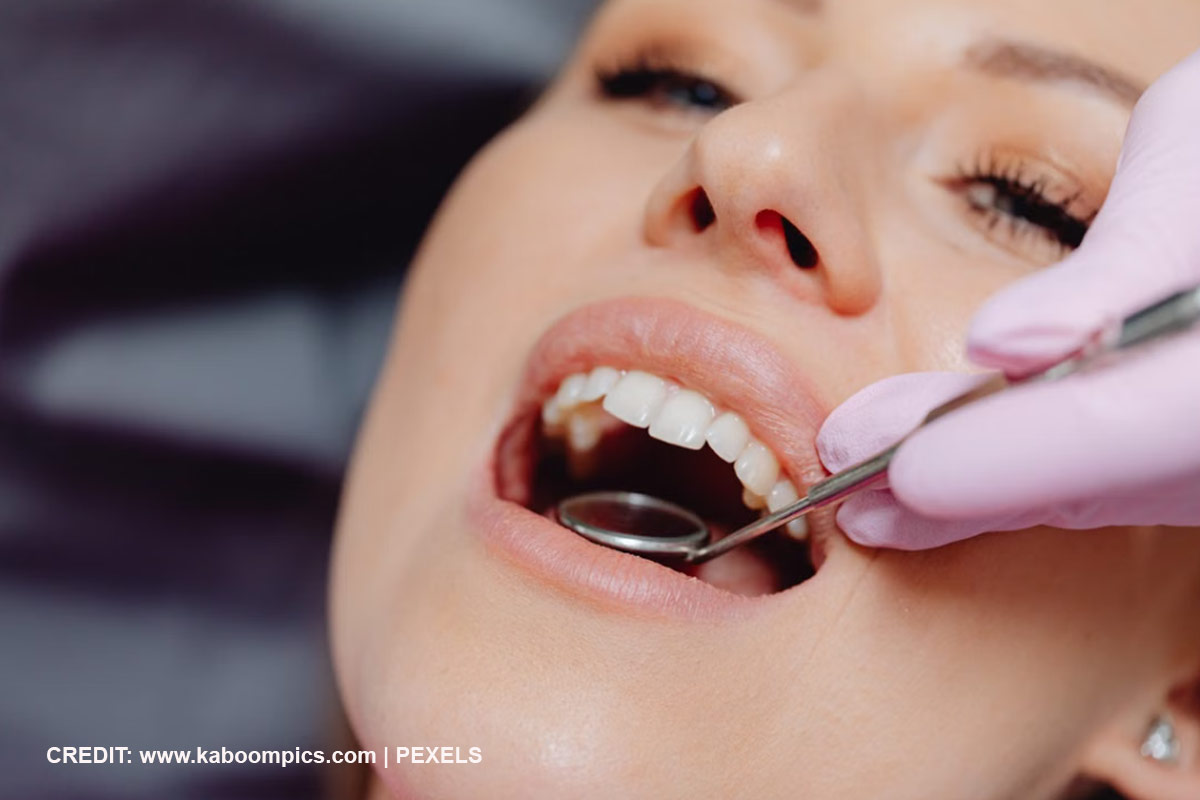
If you haven’t been to the dentist in a while, you might be nervous about what happens. A standard checkup typically involves:
- A review of medical history: To see if any medications or conditions might be affecting your oral health.
- Digital X-rays: To see what is happening between the teeth and under the gumline.
- A periodontal exam: Checking the health of your gums.
- Oral cancer screening: A quick, painless check of your tongue, throat, and cheeks.
- Professional cleaning: Removing tartar and polishing the teeth to a smooth finish.
- A personalized plan: Discussing any findings and deciding on the best course of action.
Takeaway: Don’t Wait for the Ache
The goal of dentistry is to ensure that you never have to experience a “dental emergency.” By paying attention to the signs—sensitivity, bleeding, bad breath, or simply the passage of time—you can address minor issues before they escalate.
Remember, your teeth are meant to last a lifetime. Taking an hour out of your schedule every six months is a small price to pay for the confidence of a healthy, pain-free smile.
Schedule Your Visit Today
Is it time for your checkup? Whether you have a specific concern or it has just been a while since your last cleaning, the team at Springdale Dental Centre is here to help you maintain a beautiful, healthy smile in a comfortable environment.
Call Springdale Dental Centre at (905) 458-1212 to book your appointment today!