
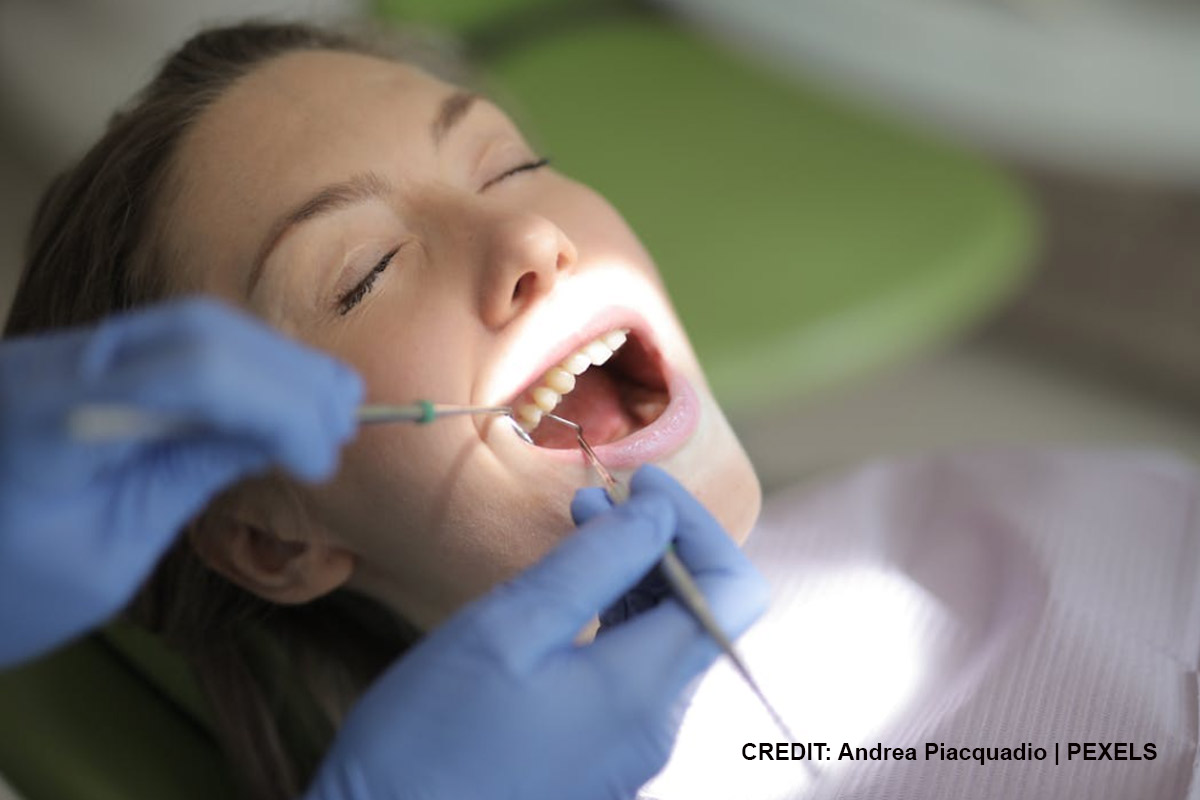
Most of us assume that as long as we are running a toothbrush over our teeth, we are completely protected. However, your at-home routine is only half the battle. Even the best electric toothbrushes on the market and the most rigorous flossing habits leave behind tiny microscopic bits of plaque. Over time, that plaque turns into something much tougher, and suddenly, you are dealing with issues that only a professional can fix.
Understanding the importance of professional teeth cleaning is crucial. Apart from the real benefits of having a confident smile, we’re talking about protecting your overall well-being. A neglected mouth can lead to major complications down the road, affecting everything from your heart health to your immune system.
So, how do you know when your mouth is officially demanding some expert attention? If you pay close attention, the warning signals are usually right there in front of you.
Here are the top 5 indicators that you need to stop putting it off, pick up the phone, and get into the dental chair.
1. Your Gums Are Bleeding or Swollen
Let’s be totally honest: seeing a bit of pink in the sink when you spit out your toothpaste can be alarming. Many people just shrug it off, assuming they brushed a little too hard, that their toothbrush bristles are too stiff, or that their gums are just “sensitive.”
But here is the truth: healthy gums simply do not bleed from normal brushing or flossing. If your hands started bleeding every time you washed them, you would immediately call a doctor. Your gums should be treated with the exact same level of concern.
- What it actually means: Bleeding is often the very first sign of gingivitis, which is the earliest stage of gum disease. It happens because plaque has accumulated along the gumline, irritating the soft tissue.
- The common reaction: When gums bleed, many people actually stop flossing or brush less thoroughly in that area because it hurts. This is the worst thing you can do, as it allows the bacteria to multiply even faster.
- Why it matters: If you ignore it, gingivitis can progress into periodontitis. This is a much more serious infection that actually damages the soft tissue and destroys the underlying bone that supports your teeth.
Swollen, puffy, or tender gums are part of the exact same warning system. If your gums look angry red instead of their usual firm, light pink colour, your body is actively fighting off an infection caused by trapped bacteria.
A professional hygienist has the tools to gently clear away the hardened bacteria that is causing the inflammation, giving your gums a chance to heal, recover, and firm up again.
2. You Have Persistent Bad Breath
We have all dealt with bad breath after a heavy garlic meal, a strong cup of coffee, or waking up first thing in the morning. That is entirely normal and usually goes away after a quick brush or a strong mint. But what if that bad taste in your mouth just will not quit, no matter what you do?
Chronic bad breath, clinically known as halitosis, is rarely just about what you ate for lunch. It is a massive red flag.
- The hidden culprit: Persistent bad breath is usually caused by a heavy buildup of bacteria hiding out in areas your toothbrush just cannot reach.
- Where it hides: Bacteria love to camp out in the deep pockets between your teeth and your gums, under the gumline, or all the way at the back of your tongue.
- The chemical reaction: As these bacteria feed on leftover food particles in your mouth, they release sulphur compounds as waste. Yes, that means the bad smell is actually a byproduct of bacteria living and multiplying inside your mouth.
Mouthwash, chewing gum, and breath mints are only temporary band-aids. In fact, alcohol-based mouthwashes can actually dry your mouth out, which makes bad breath even worse in the long run. They mask the smell for an hour or two, but they do not solve the root problem.
A thorough professional teeth cleaning mechanically gets rid of the bacterial colonies causing the odour, giving you genuinely fresh breath from a completely clean slate.
3. You Notice Visible Tartar Buildup
Plaque is a sticky, colourless film of bacteria that constantly forms on our teeth throughout the day. When you brush and floss, your main goal is wiping this film away. But if plaque sits on your teeth for too long—usually just a matter of 48 hours—it hardens into a mineralized substance called tartar (also known as calculus).
- What it looks like: Tartar usually shows up as a hard, yellowish, brown, or even black crust. You will most often spot it right near the gumline or on the back of your lower front teeth.
- Why it is so stubborn: Once plaque hardens into tartar, your toothbrush is completely useless against it. You could scrub for an hour straight, and that tartar is not going anywhere.
- The snowball effect: Tartar is incredibly porous. Because it has a rough surface, it stains easily (which is bad news for coffee, tea, and red wine drinkers) and provides the perfect textured surface for even more sticky plaque to cling to.
It becomes a vicious cycle. The longer it stays on your teeth, the more irritation it causes to your gums. The only way to safely and effectively remove it without damaging your precious tooth enamel is with the specialized, precise scaling tools used by a dental hygienist.
4. Your Teeth Are Feeling Extra Sensitive
Have you recently winced while drinking a simple glass of ice water? Or maybe taking a bite of a hot slice of pizza or a sweet dessert sent a sharp, shooting zing of pain straight through your jaw?
Occasional, mild sensitivity can happen, but if it becomes a daily occurrence that forces you to change how you eat or drink, your mouth is definitely trying to tell you something is wrong.
There are a few key reasons why skipping your dental appointments leads to heightened sensitivity:
- Gum recession: When tartar builds up and causes early gum disease, your gums become inflamed and start to slowly pull away from your teeth. This exposes the roots of your teeth. Unlike the top visible part of your tooth, the root is not protected by hard, durable enamel. It is covered in a softer material called cementum, which is highly sensitive to temperature changes.
- Enamel wear: Harmful bacteria in your mouth produce harsh acids that slowly eat away at your protective enamel. If this goes unchecked, the enamel thins out, leaving the highly sensitive inner layers of your tooth (the dentin) completely exposed to hot, cold, and sweet foods.
Getting your teeth properly cleaned removes the highly acidic plaque and stubborn tartar that drive these painful issues. Furthermore, your hygienist will likely recommend a targeted fluoride treatment during your visit to help remineralize and strengthen your weakened enamel, giving you lasting relief from the pain.
5. It Has Been More Than Six Months Since Your Last Visit
Sometimes, the biggest sign that you need an appointment is not a physical symptom at all. It is simply the calendar on the wall.
Life moves incredibly fast. You miss a routine reminder text, you get busy with a project at work, kids go back to school, and suddenly it has been two full years since you last sat in a dental chair. If you cannot remember the last time you had a professional checkup, or if you know for a fact it has been well over six months, consider this your official wake-up call.
Here is why the standard six-month rule exists and why it is highly recommended for most people:
- Prevention is cheaper than treatment: It is so much easier, faster, and cheaper to clean away early tartar buildup and catch a tiny surface cavity than it is to treat advanced gum disease, extract a tooth, or pay for a complex root canal.
- Professional stain removal: Regular cleanings polish away surface stains from your daily life, keeping your smile looking naturally bright and youthful without the need for harsh chemical whitening treatments.
- Crucial health checks: Your mouth is heavily connected to the rest of your body. During a routine visit, dental professionals are doing much more than just scraping teeth. They actively check for early warning signs of oral cancer, vitamin deficiencies, jaw joint issues, and even early signs of diabetes.
Even if your teeth feel perfectly fine today and look reasonably white in the mirror, underlying issues can develop completely silently. Bone loss and early decay do not always hurt right away. By the time you actually feel pain, the problem is usually severe.
Staying on a consistent, predictable schedule with our Brampton dentist ensures that any hidden, sneaky problems are caught early before they turn into painful, expensive dental emergencies.
Take Control of Your Oral Health Today with Springdale Dental
If you are currently experiencing any of the signs we just talked about, or if you simply know deep down that you are well overdue for a visit, do not wait for a small, easily fixable issue to become a major toothache. Take action right now.
Contact Springdale Dental Centre at (905) 458-1212 to schedule your professional cleaning and keep your smile healthy, bright, and pain-free for years to come.